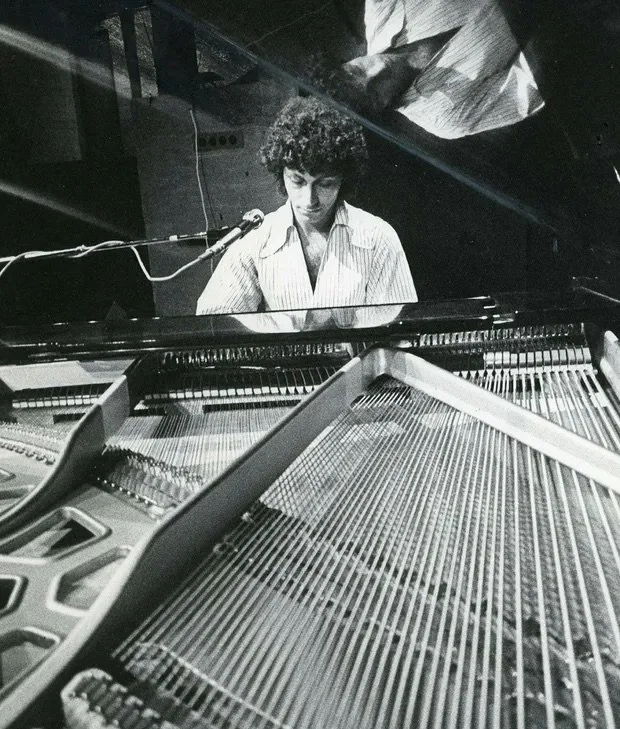
Artist Yeshiva: Matti Caspi
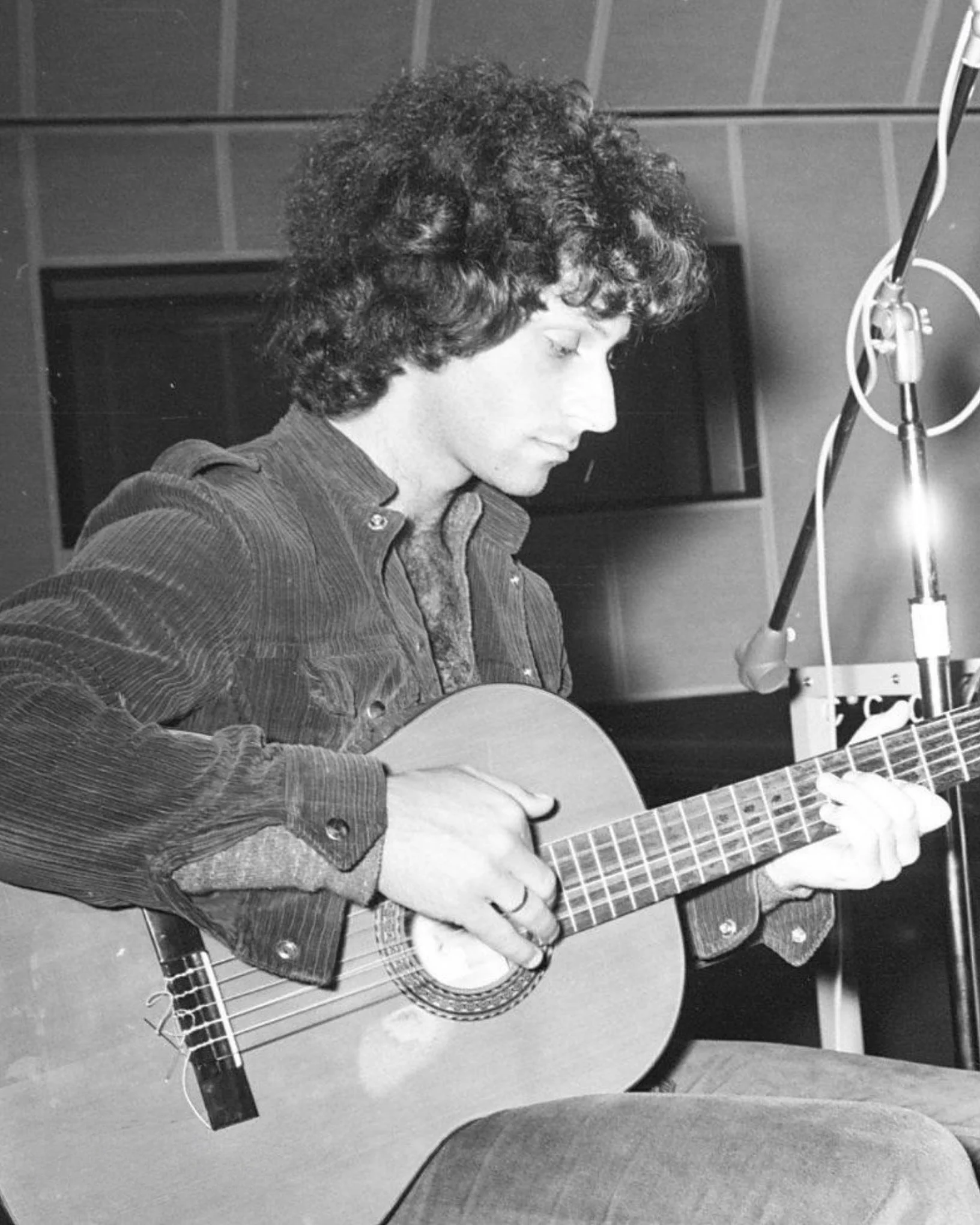
Matti Caspi’s music has always been everywhere in Israel, which is why it can be hard to locate him inside it. His songs became so embedded in daily life that they stopped feeling authored at all. They lived on living room shelves, in classrooms, on the radio, at family gatherings, in moments of joy and moments of grief.
Caspi was born into Israeli society at a moment when the country was still inventing itself, and his work absorbed that condition deeply.
His songs returned again and again to nature, childhood, and growing up Israeli, not as nostalgia but as lived texture. He wrote about landscapes, seasons, animals, history, heartbreak, and play, often with a lightness that concealed how carefully the music was constructed.
That lightness mattered. Even when his songs were joyful, there was often a trace of something mournful in his voice. The feeling was never heavy, never indulgent, but it was there. It mirrored a familiar Israeli rhythm in which happiness and sorrow coexist, sometimes uncomfortably, sometimes seamlessly. Caspi’s music understood that rhythm instinctively.
Technically, his work sat within popular music, but it consistently exceeded the limits of the category. His melodies were rich and complex without announcing their intelligence. Jazz harmony, Brazilian bossa nova, Balkan and Mizrahi inflections, folk, rock, and pop moved through his compositions naturally, years before such blending had a name. He rarely framed this as experimentation. It simply reflected the musical world he inhabited and the country he grew up in.
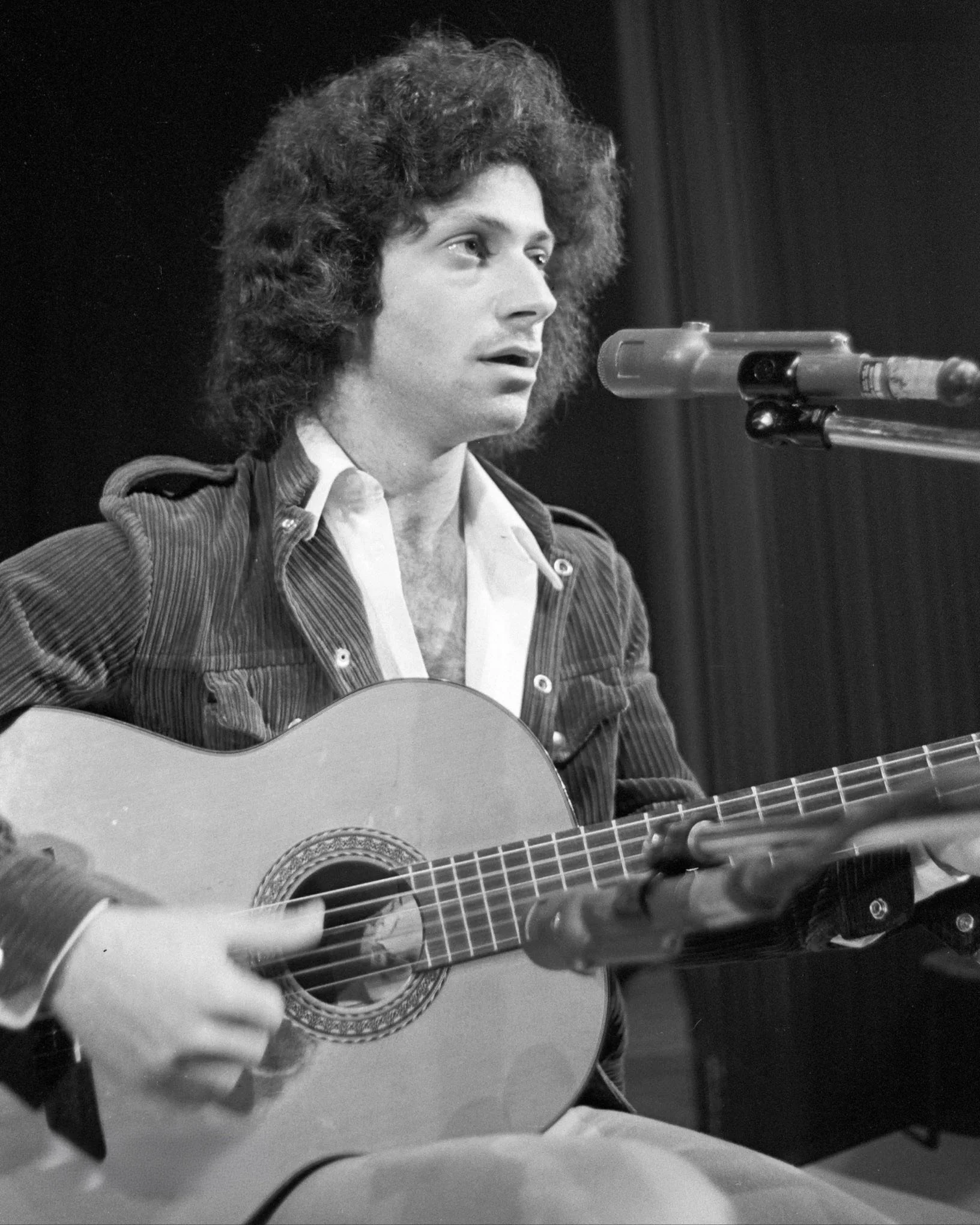
Caspi collaborated with many lyricists, most notably Ehud Manor, but his compositional process was often solitary. He frequently played multiple instruments himself, moving easily between piano, guitar, drums, harmonica, and bass. The result was music that felt intimate and controlled, shaped by a single sensibility even when it reached a mass audience.
His range was unusually broad. Alongside romantic ballads and reflective songs about memory and loss, Caspi wrote playful music for children, comic songs, and lighthearted pieces that never condescended to their audience. Children loved them for their sweetness and rhythm; adults heard history, continuity, and care beneath the surface. Generations encountered his music early and carried it forward, often without realizing how unusual that continuity was.
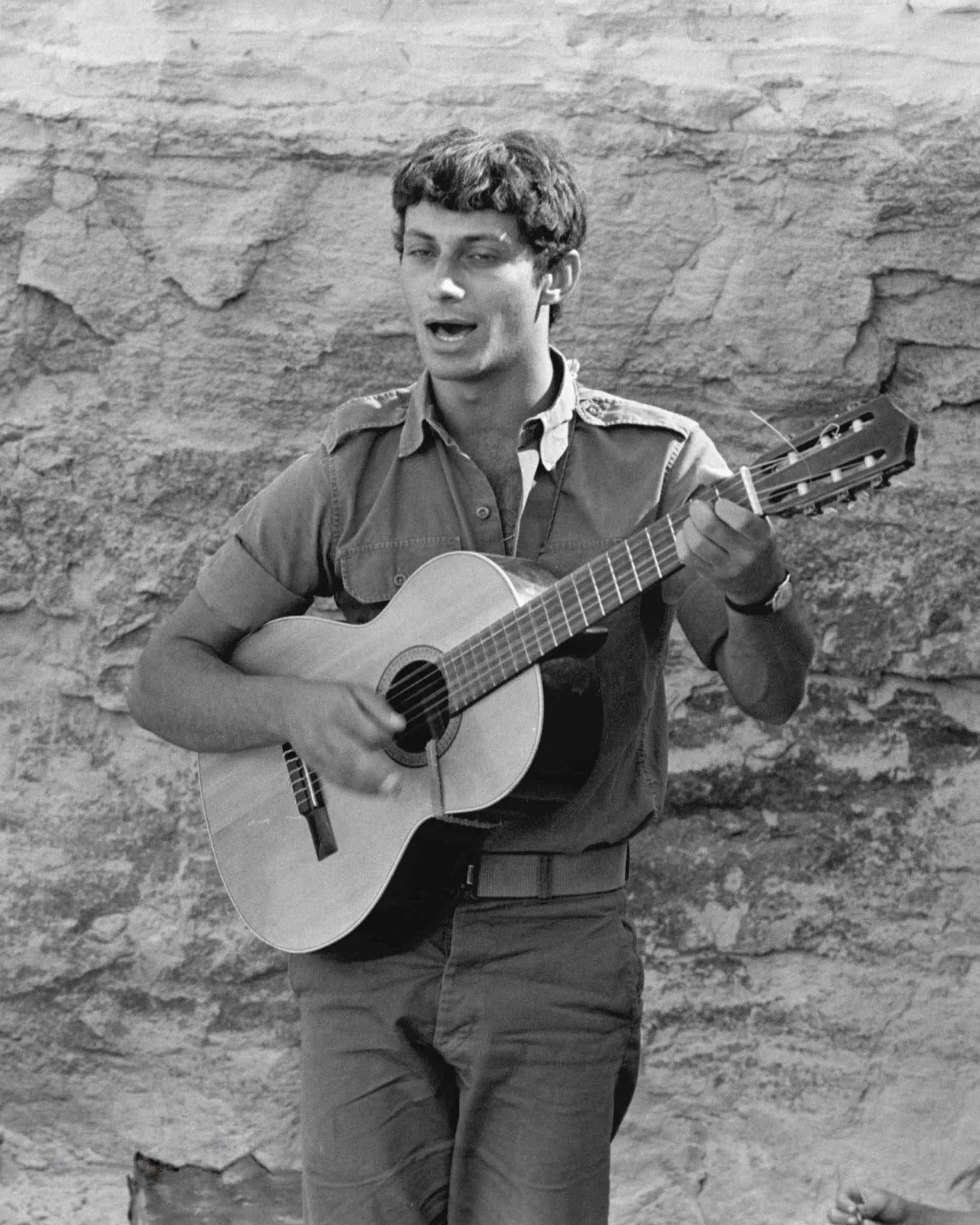
Caspi’s public persona stood in quiet contrast to his ubiquity. He was famously reserved in interviews and rarely smiled in photographs. His good looks made him an unintentional sex symbol, but he never seemed comfortable with the role. He communicated most clearly through the music itself, which carried warmth, humor, and emotional openness that he otherwise kept private.
In Israeli musical history, Caspi occupies a singular position. He connected earlier traditions of Hebrew song with global musical currents not by quotation or revival, but by integration. His work made complexity feel natural and accessibility feel earned. Both highly trained musicians and casual listeners could recognize that something careful and serious was happening, even if they couldn’t name why.
Caspi died today, February 8, 2026. His passing marks the loss of more than a beloved musician. It marks the disappearance of a particular standard: a belief that popular music could be generous without being simple, emotionally honest without being loud, and deeply Israeli without turning identity into performance. His songs remain everywhere, still doing their quiet work.